


If we consult Fustel de Coulanges and Julius Evola, we find that aristocracies in antiquity were formed by pontiffs, that is, those who bridge the gap between the otherworld and the sensible world, also called kings. This fact is evident in pre-republican Rome and stems from the Indo-European or Aryan religion, originating from the peoples who left the Caucasus and spread throughout Central Asia and Europe, forming Hindu, Greco-Roman, and other cultures, such as that of the Germanic peoples. the initial religion of the Aryan peoples is polytheistic (although racial theorists such as H.S. Chamberlain and Alfred P. Schultz consider them as monotheistic), they had a tradition of worshipping the dead, that is, if my father died and I am the firstborn, I have to worship him, and so it continues with my children, thus having the origin of private property in this aspect, the connection with the land of the ancestors and where my descendants will live, from this configuration arises the right of primogeniture and patriarchy.
In a very interesting book from Peter Sloterdijk’s Spheres trilogy, in the first volume “Bubbles“, there is information that self-thought and therefore individuality originated in Greece 2,500 years ago, with the emergence of philosophy, which is exclusively Greek and was not borrowed from other peoples, as John Burnet states, denoting not only a unique originality, but also a racial quality that provided this development.

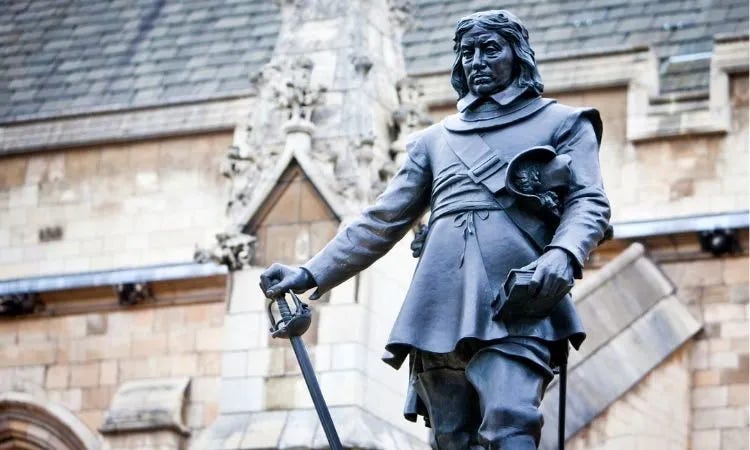
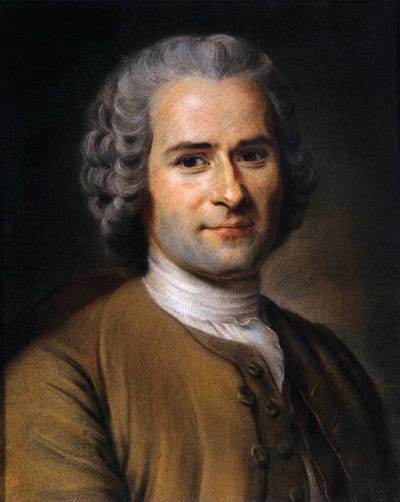
The conclusion is drawn that the entire feminist-Marxist mythology “Of the original matriarchy“ is not only stupid but also theses that aim at the destruction of an ever-existing institution; however, the prosaic feminist Gerda Lerner even claims that it was with the subjugation of women that slavery developed; note, the thesis is so bizarre that in a sane world, it would never have taken such absurdities seriously. The Middle Ages, under the predominance of the Catholic Church, established the feudal economic model and inherited Roman law, which included primogeniture and the divine nobility of nobles. It was only with the emergence of mercantile society, the genesis of capitalism, that the monarchy could be openly challenged. One of the first challenges was the English Revolution, whose most famous figure was Oliver Cromwell. However, the English Revolution was less influential in its challenge than the French Revolution of the following century, which, previously, had Rousseau and Richardson as its intellectual foundation. This is where modern egalitarianism, including its biological nature, emerged.
But egalitarianism, like its opposite, is not new. If we look at the Greek concept of gender, this meant race, with the word genos corresponding to the definition. However, gender in philosophy refers to a branch of a science. Catholicism’s turning point was to preach the equality of souls, while Protestantism defined the soul racially, which later reverted to what would become the human racial classifications of the early days of slavery.
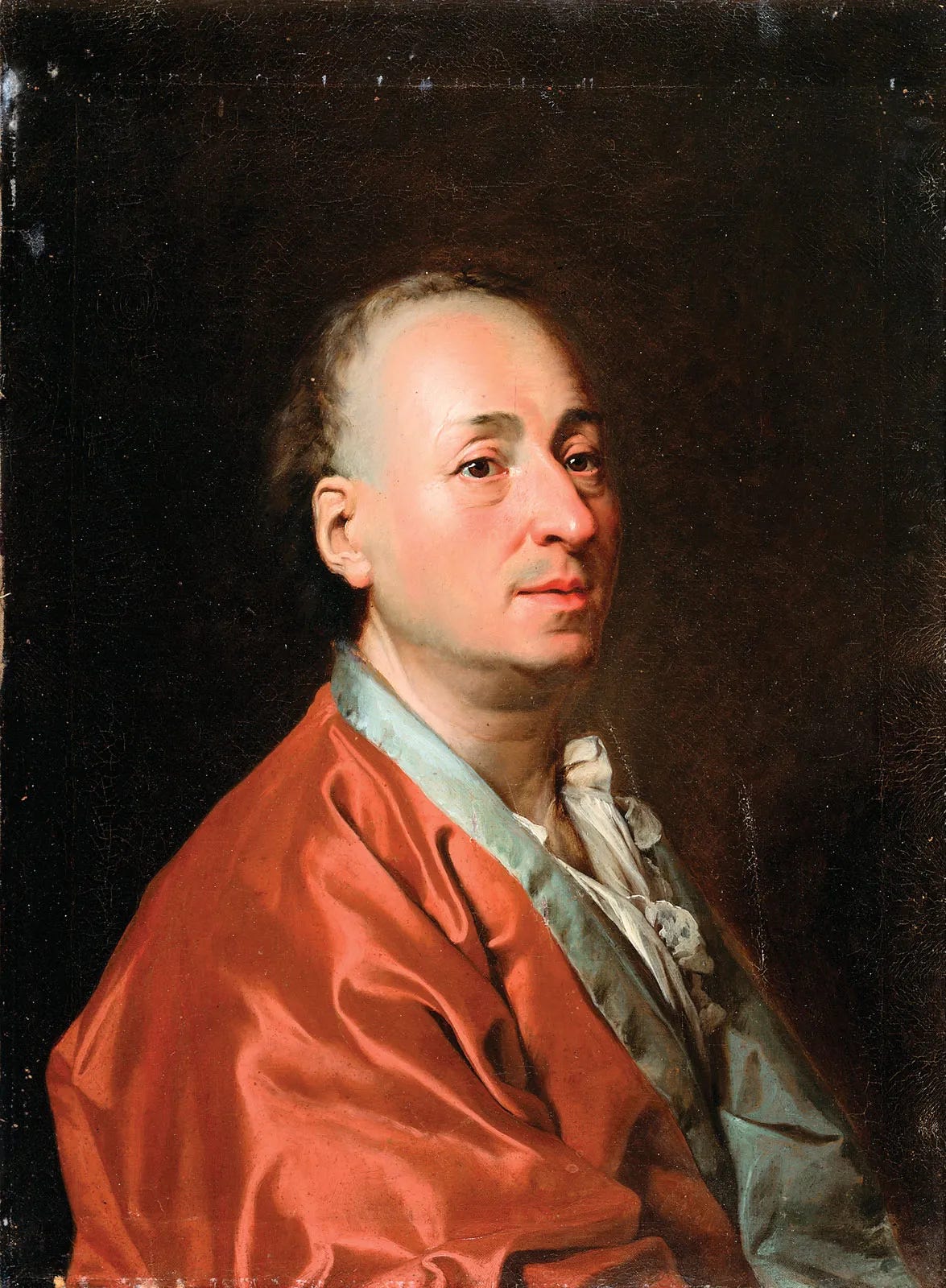
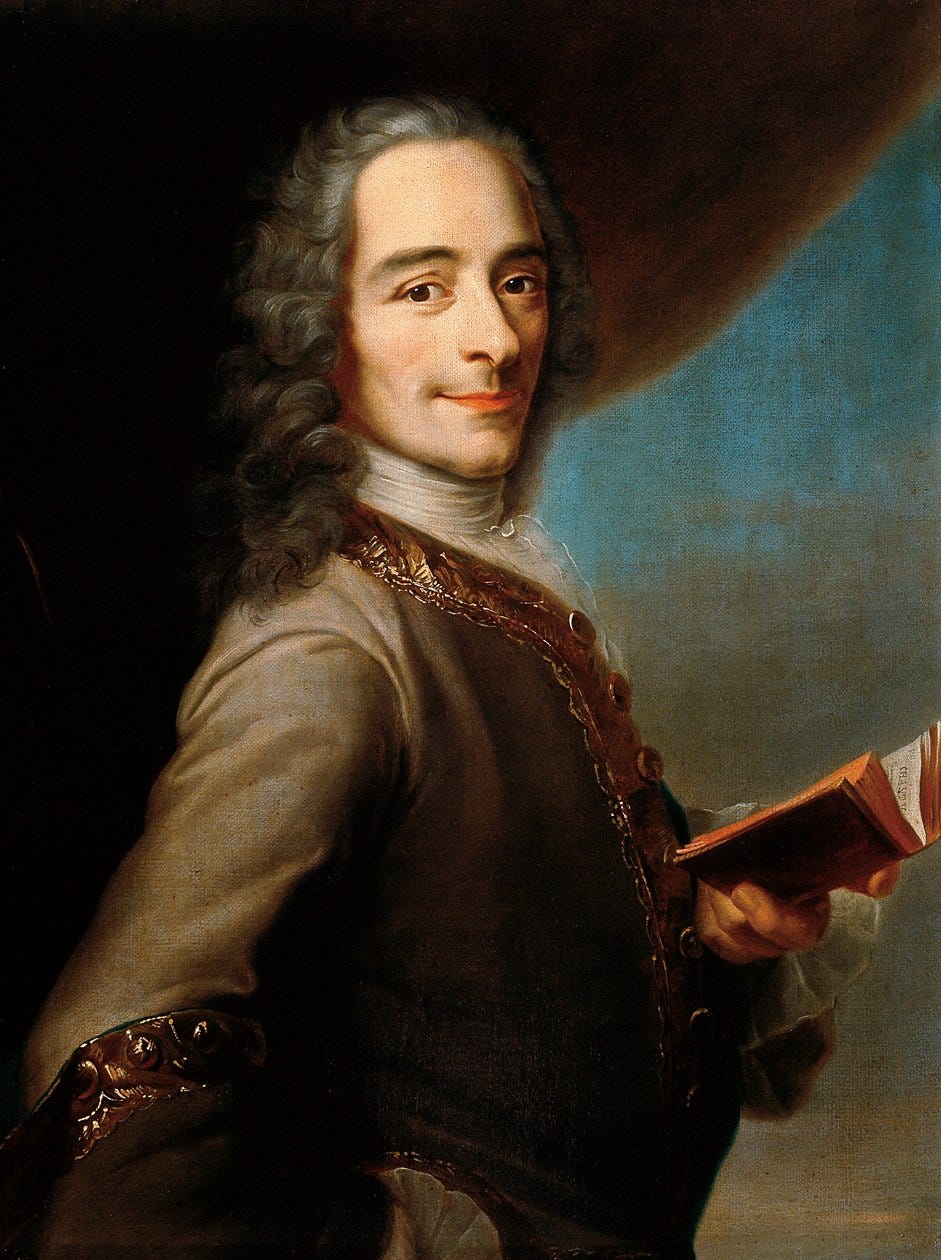
What sustained the idea of monarchy was “divine right,” so egalitarians needed to attack and destroy belief in God, more specifically the Catholic God, given that the stereotype of the Enlightenment man who doesn’t believe in deities never existed. Voltaire, Diderot, Kant, and basically all the Enlightenment thinkers joined this discrediting of belief, creating the climate for what would become known as “Liberty, Equality, and Fraternity“ and all the logical consequences that follow, resulting in the racial and moral chaos we experience today. For a number of political reasons, eugenics was suppressed, ridiculed, and deeply stereotyped. It’s no exaggeration to say that Hitler’s defeat was also the defeat of the white race, for it was only through the “crimes“ of the “truculent, stupid, and irascible Nazis“ that racial science became stereotyped with all sorts of possible negative consequences.
The very idea of a eugenicist aristocracy may seem like a dreamer’s idealization to many. Given everything discussed in this text, we perceive a vulgar Platonism mixed with Marxism and its derivatives in racial egalitarians when they postulate that races do not exist, that this is only apparent, and that what is real is equality, not difference, that race is merely a social construct. And how can this idea be imposed? Saying that if this were not the case, Nazism would return to power is the only argument, and this is the reason why it is forbidden to question the history of the Holocaust, because after the fall of one myth, all others collapse like buildings built on clay.
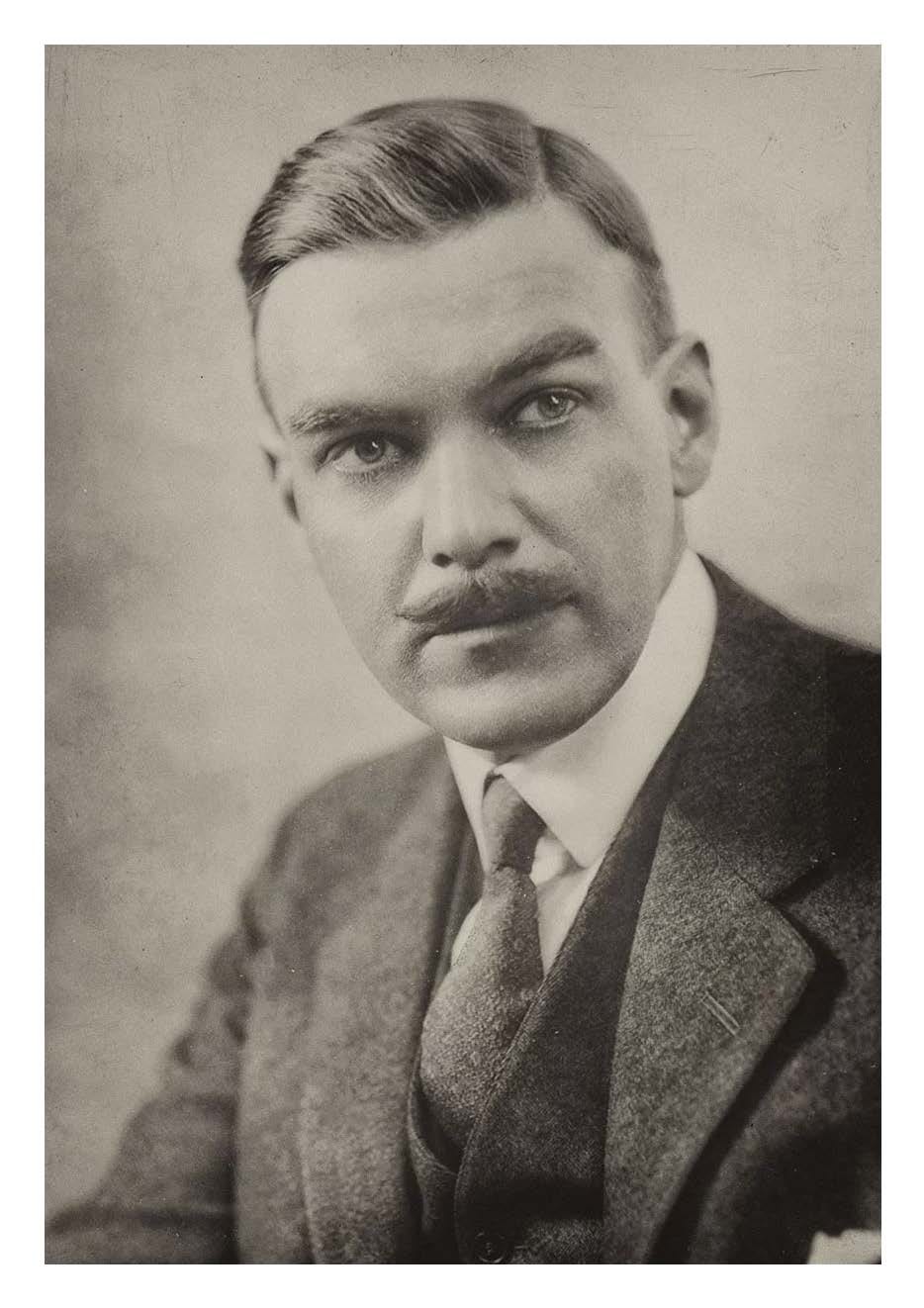
Lothrop Stoddard, analyzing American society in 1922, proposed the form of neo-aristocracy before moving on to neo-democracy; this step is important because there is no point in having a democracy when there is the presence of the Under-men (inferior man), who must be eliminated, that is, prevented that he be born and not killed while still alive or in the mother’s womb. Stoddard clearly demonstrates that the Under-men’s intention is to return to the state of nature, where there were no standards or distinctions. Civilization is painful for the Under-men, who today are achieving the gradual destruction of everything that reminds them of superiority: music, art, literature, and the white race. Stoddard’s idea is not to relegate Black people to the lower class; in fact, in the eugenics social model, there will be no Black people, but rather a 100% white society. Within this race, through better breeding, an attempt will be made to improve the existing stock, purge the inferior, and create a civilization never before seen. With the economic dynamism of capitalism, the inferior are pushed below the upper class and the superior upward. Through meritocracy and a favorable environment, the possibility of the downfall of the inferior and the rise of the superior, creating a culturally superior race of unique and invincible beauty!
Purchase your print copy today!
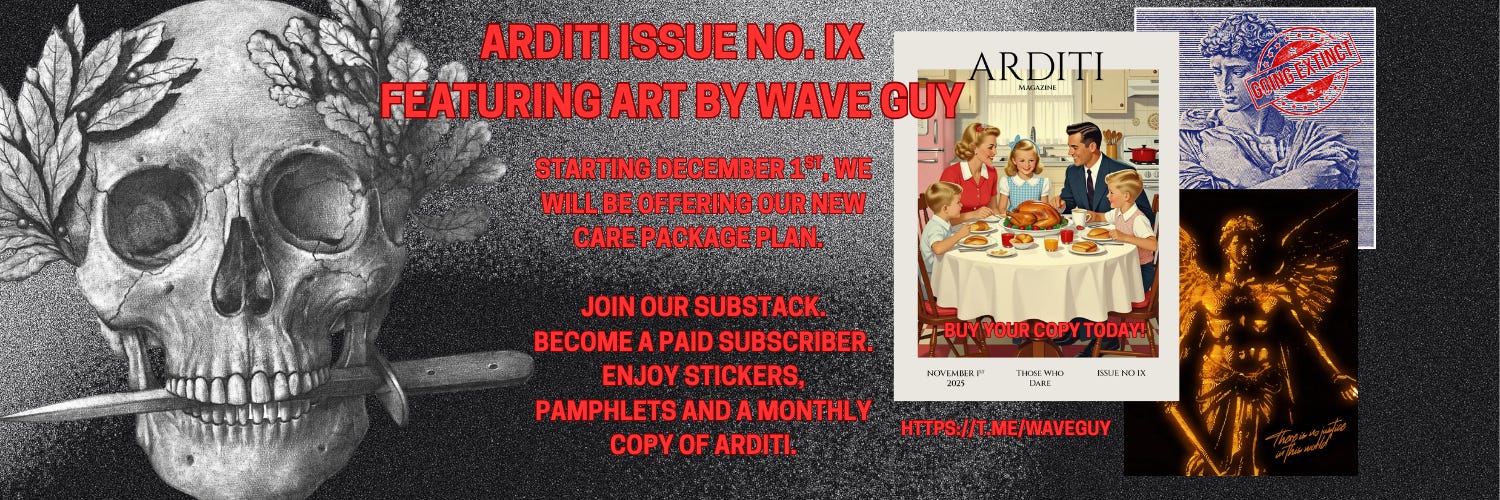
The ninth issue of Arditi Magazine continues its tradition of presenting independent thought, historical reflection, and cultural commentary through striking design and carefully curated writing. This issue opens with “The Hearth of Thanksgiving,” an editor’s reflection on gratitude, family, and the enduring values that anchor civilization.
Within its pages, readers will find essays exploring philosophy, postwar culture, and the ongoing dialogue between faith, heritage, and the modern world. Each contribution challenges readers to think critically about the relationship between man, society, and tradition, offering a perspective often overlooked in mainstream discourse.
Beautifully designed and richly illustrated, Arditi IX showcases the work of artists and writers dedicated to the craft of print publishing. From historical studies to meditations on contemporary life, every piece embodies the magazine’s founding mission - to preserve intellectual independence and the timeless appeal of the printed word.
Printed in full color with high-quality materials, this perfect-bound edition is both a work of art and a record of the magazine’s evolving vision. Arditi IX invites readers to slow down, reflect, and reconnect with the deeper meanings of faith, family, and cultural endurance.
Specifications:
Format: 8 × 11 in perfect-bound magazine
Page Count: ≈ 67
Publication Date: November 2025
Publisher: TNW LLC
Language: English
Rights: Worldwide
Purchase your copy today!
US & UK: https://shop.ingramspark.com/b/084?params=WTHh3KKaOG4Xgd3D847bU0GOMChedbnDWhmA58DbJVa